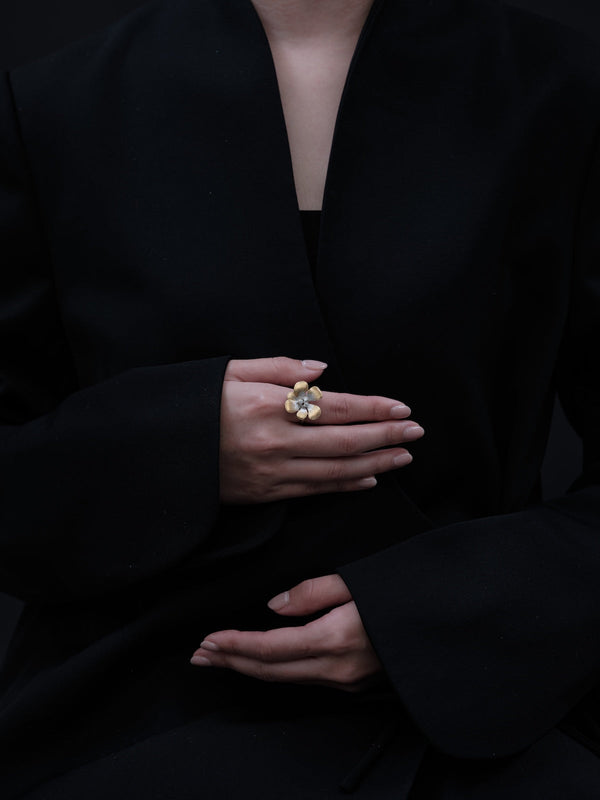
A ring my mother bought with her very first paycheck.
A watch my grandmother wore almost every day.
When these pieces were passed down to me at important moments in my life, I felt a quiet weight within them.
The gentle wear of the metal.
The soft sheen that only time can create.
Inside these small objects lived the time, memories, and emotions of the women who had worn them before me—things too personal, too layered, to ever be fully expressed in words.
Whenever I wore them, I found myself standing a little taller.
Somehow, they made me feel stronger.
To me, jewelry has never been merely decorative.
It is closer to a talisman.
At the same time, it is something that can be passed on.
It accompanies someone through life, gathering meaning over time, beyond trends and generations.
Even when its original role has come to an end, it can take on a new form and continue its journey.
I believe I have always been drawn to that feeling: the act of carrying time forward.

That is why, when I encountered Japanese craftsmanship, I felt something deeply familiar.
I grew up in Kyoto, where craft and handwork were always close at hand.
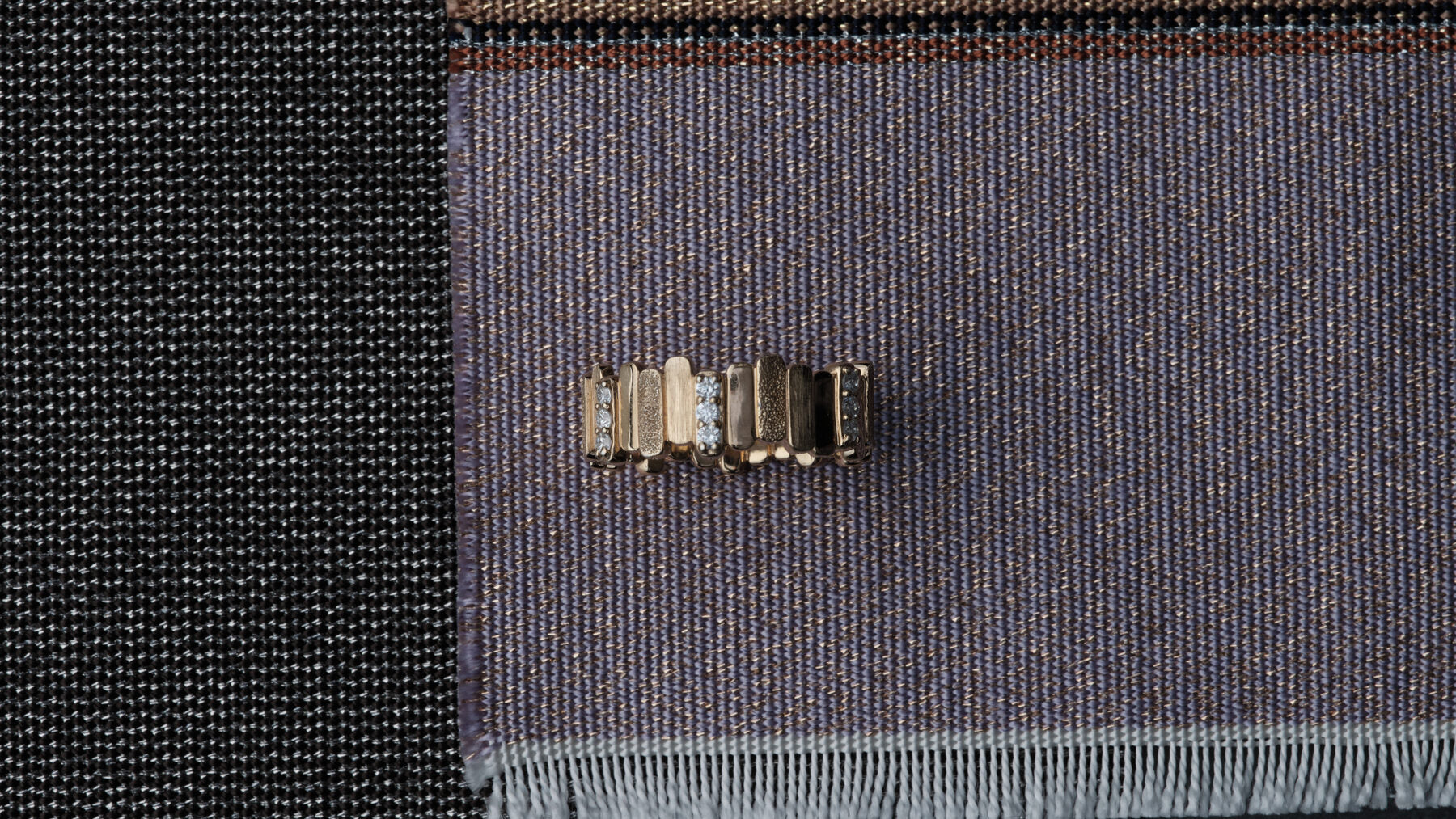
My mother was a textile designer, and several members of my family worked in the world of traditional kimono.
Being surrounded by fabrics, materials, and weaving was simply part of everyday life.
Yet it was only after leaving Kyoto, building a life in Tokyo, and visiting workshops across Japan that I truly began to understand the beauty of Japanese craftsmanship and aesthetics.
Distance gave me a new perspective.
Things I had once taken for granted began to reveal their value in an entirely different way.
At the same time, I began to see how fragile that landscape had become.
Aging artisans.
The shift toward overseas production.
The gradual disappearance of workshops.
Remarkable skills still exist throughout Japan, yet the conditions needed to sustain them are becoming increasingly difficult.
As I continued to visit these places, I came to an important realization.
No matter how carefully we tell these stories, words alone cannot carry a culture or a craft into the future.
What matters is creating something people choose to wear, cherish, and live with.
Something whose value returns to the artisans.
Something that creates a meaningful cycle between craftsmanship and the people who encounter it.
I wanted not only to share these stories, but to create that cycle itself.
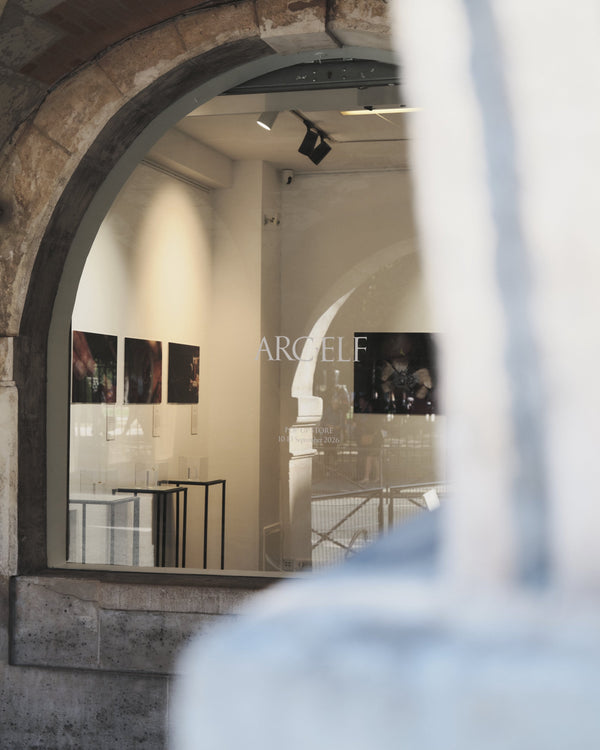
That became the reason ARCELF was born.

The “A” in ARCELF comes from the initial of my mother’s name.
Because this brand exists as an extension of the time, memories, and stories passed from one generation to the next.
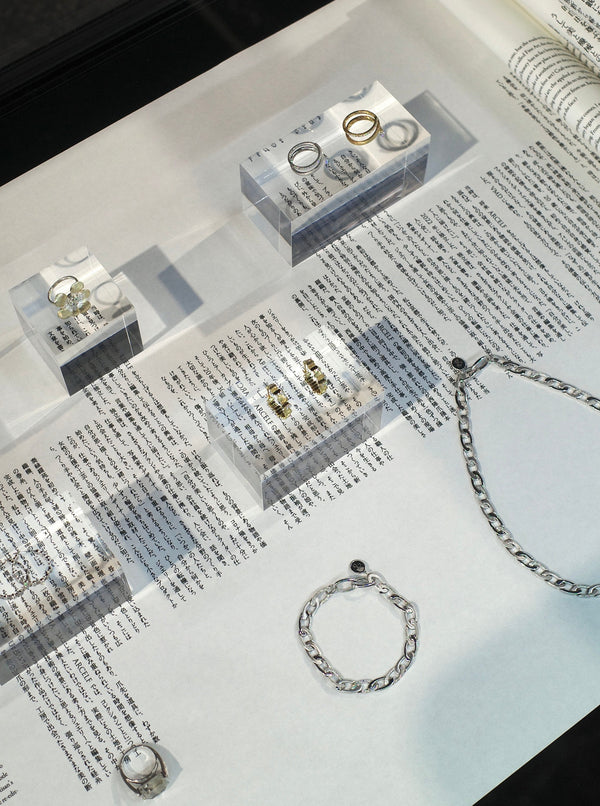
My hope is to reflect, within a small and intimate world, the time, memory, and aesthetic sensibility embedded in Japanese craftsmanship and culture.
That is where ARCELF begins.